The NMH Story
1955 — Birth of the NMH
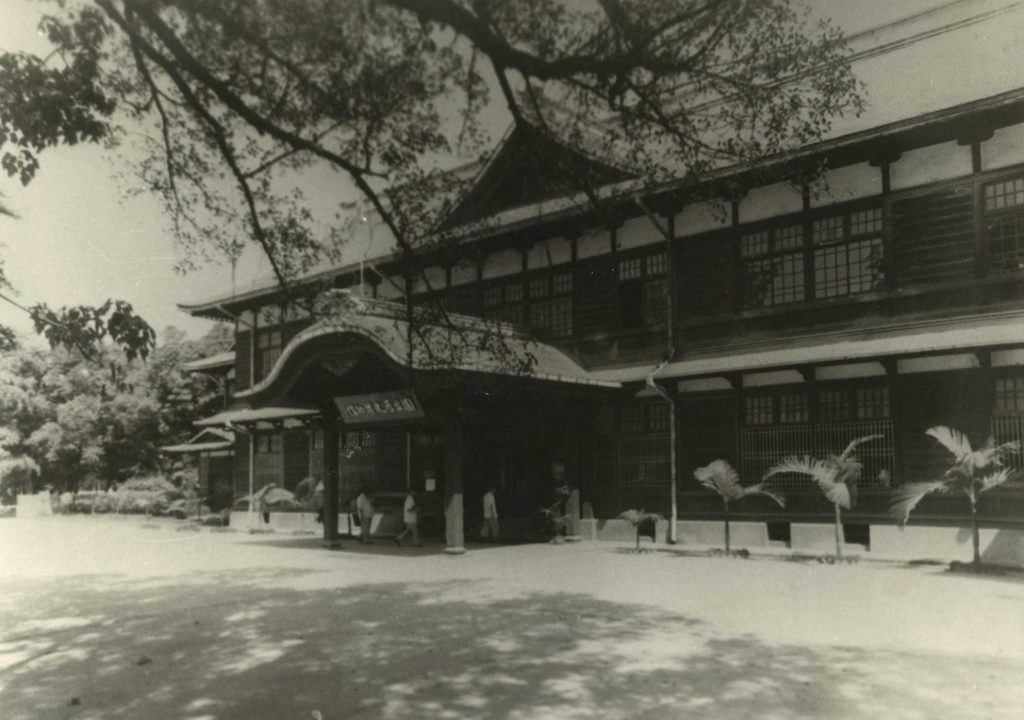
Originally named the National Museum of Historical Artifacts and Fine Arts, the National Museum of History was established by order of then-Minister of Education Chi-yun Chang on December 4, 1955, with the mission of reviving Chinese culture, henceforth making December 4 the museum’s founding anniversary. Tsun-peng Pao was named director...
1956 — Barren Hall to Broad Collection
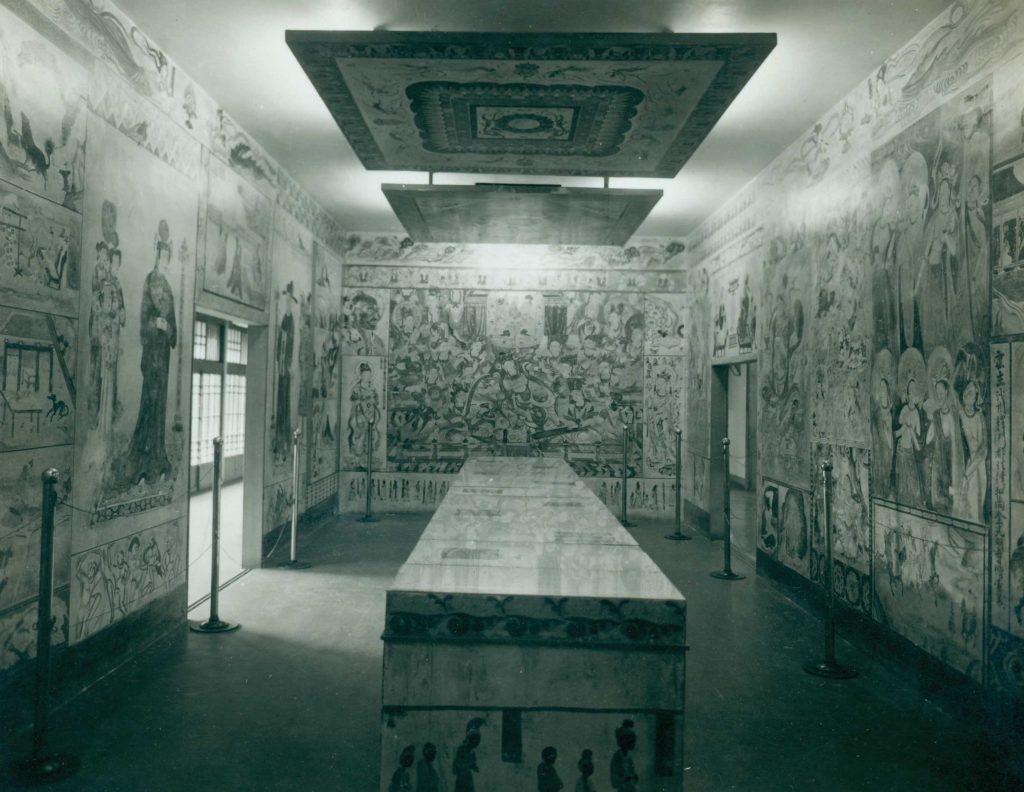
In its early days, the NMH’s greatest challenge was funding. Although there was no money to purchase items for the collection, it could still show off its curatorial prowess. In addition to various models and images, the museum worked with many experts in archeology, architecture, fine arts, and craftmaking—including James...
1957 — Promoting Art to the World
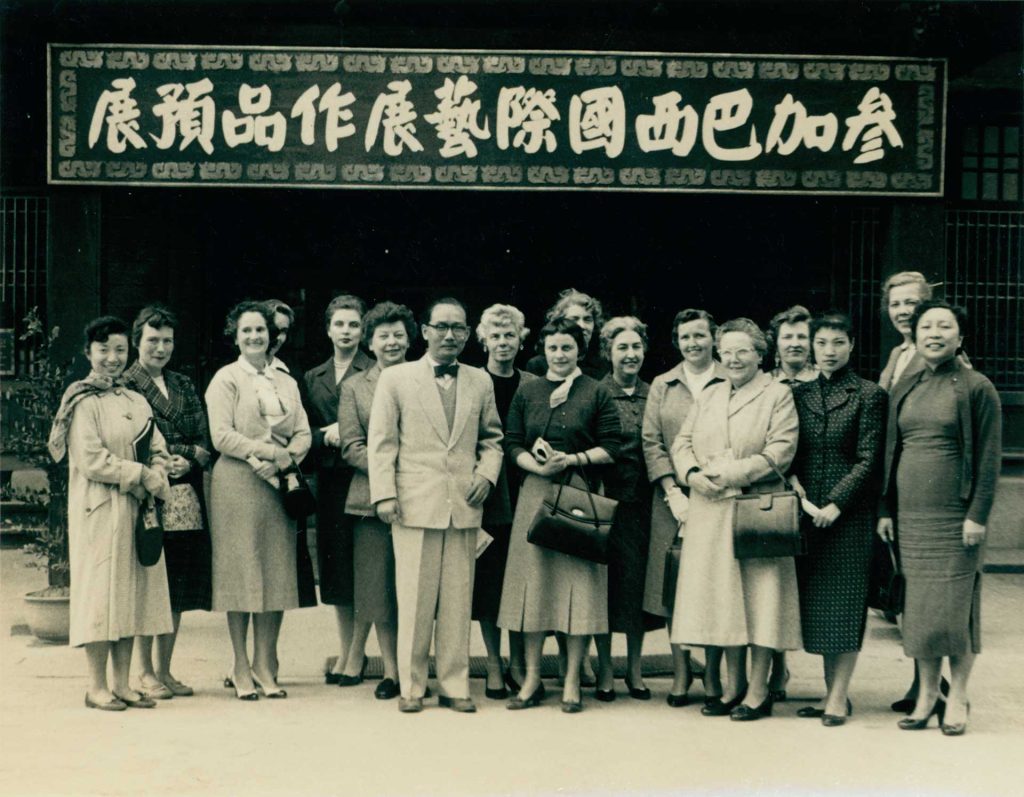
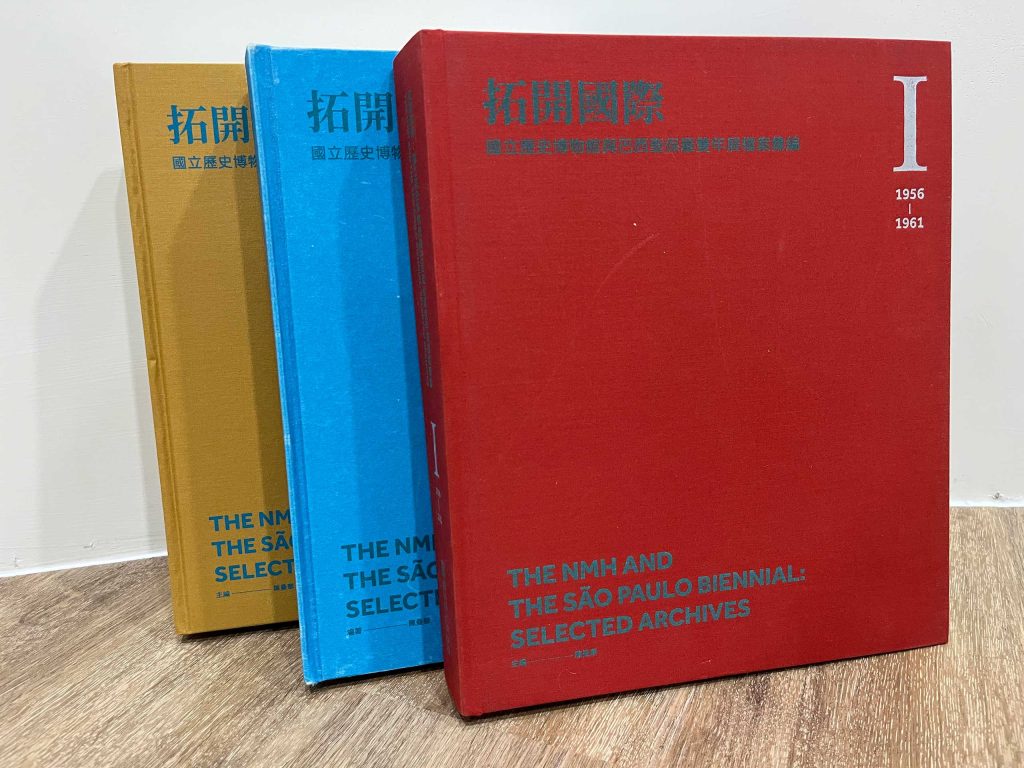
Against the backdrop of the Cold War, the NMH served as a vital showcase for the arts and culture of “Free China” by organizing international exhibitions and cultural events promoting Chinese art around the world. Among the exhibitions held shortly after the museum’s founding, the São Paulo Art Biennial and...
1961 — National Gallery and Art Platform
The newly established NMH quickly became a vital exhibition venue for artists. In 1961, National Gallery wings were constructed to the left and right of the main building. The exterior featured red walls in the Chinese style with relief carvings from the Wu Liang Shrine. Inside, the halls were equipped...
1969 — Replicating Artifacts and Recreating History
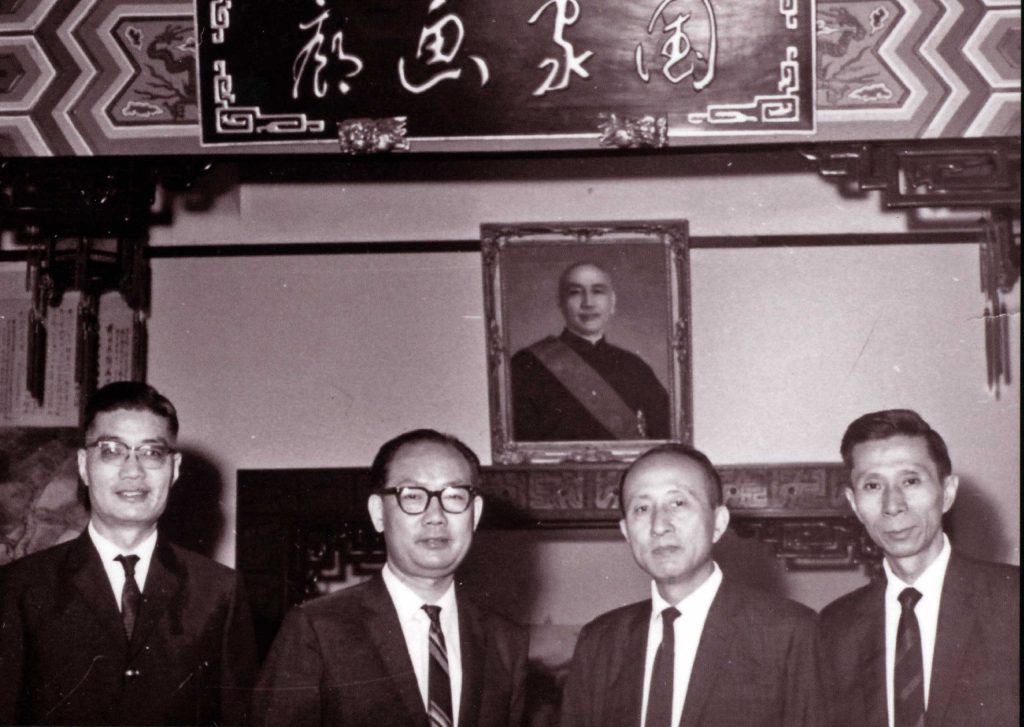
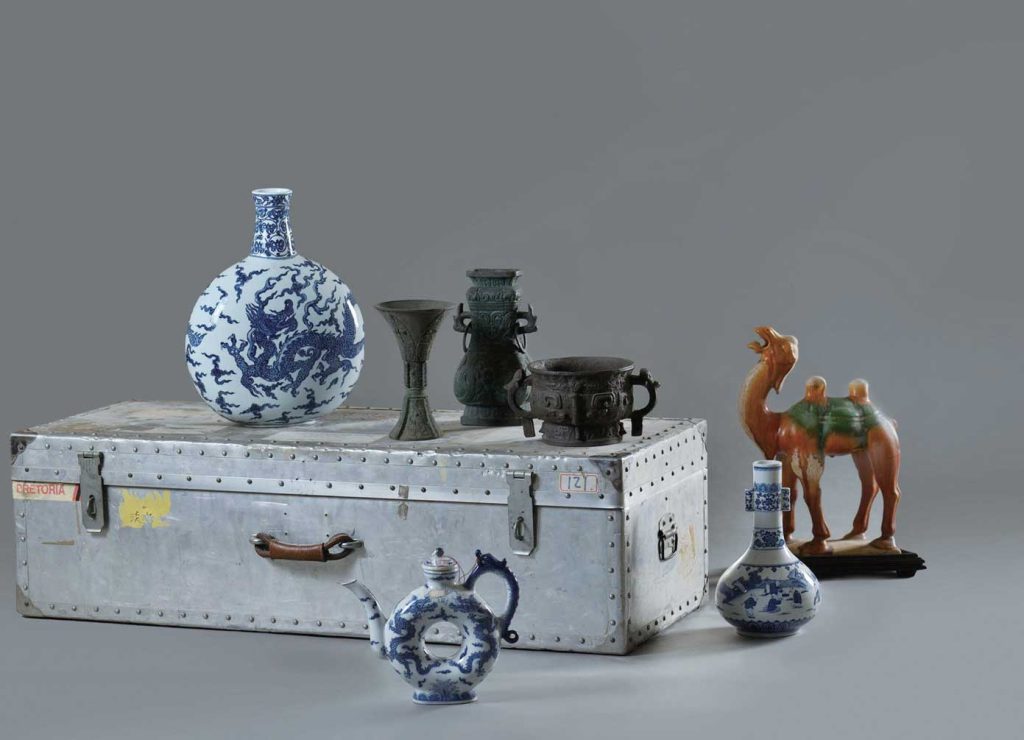
Replicas were an important facet of cultural diplomacy. The largest and longest-running replica project undertaken by the NMH was the Chinese Cultural Chests initiative from 1969 to 1986. This 18-year endeavor involved sending five chests abroad for exhibition, with the goal of gaining recognition from international and expat audiences. The...
1971 — Architecture and Emblem Transformation
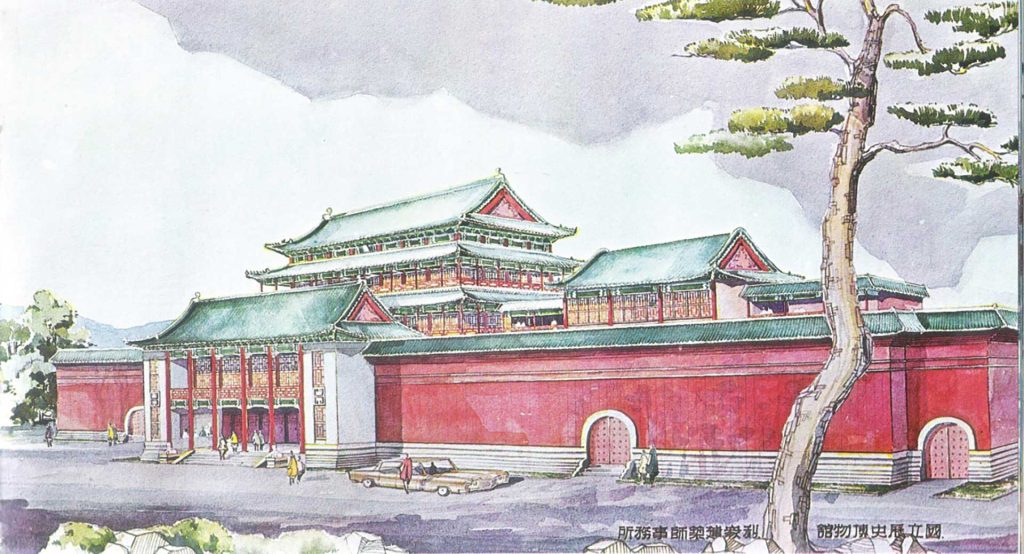
The building that would come to house the NMH was originally built in 1915 during the Japanese colonial era as a reception hall for the 20th anniversary of the Taiwan Industry Promotion Exhibition. After the exhibition concluded, the two-story wooden Japanese structure became an exhibition hall for the Governor-General of...
1976 — Three Decades of Peking Man
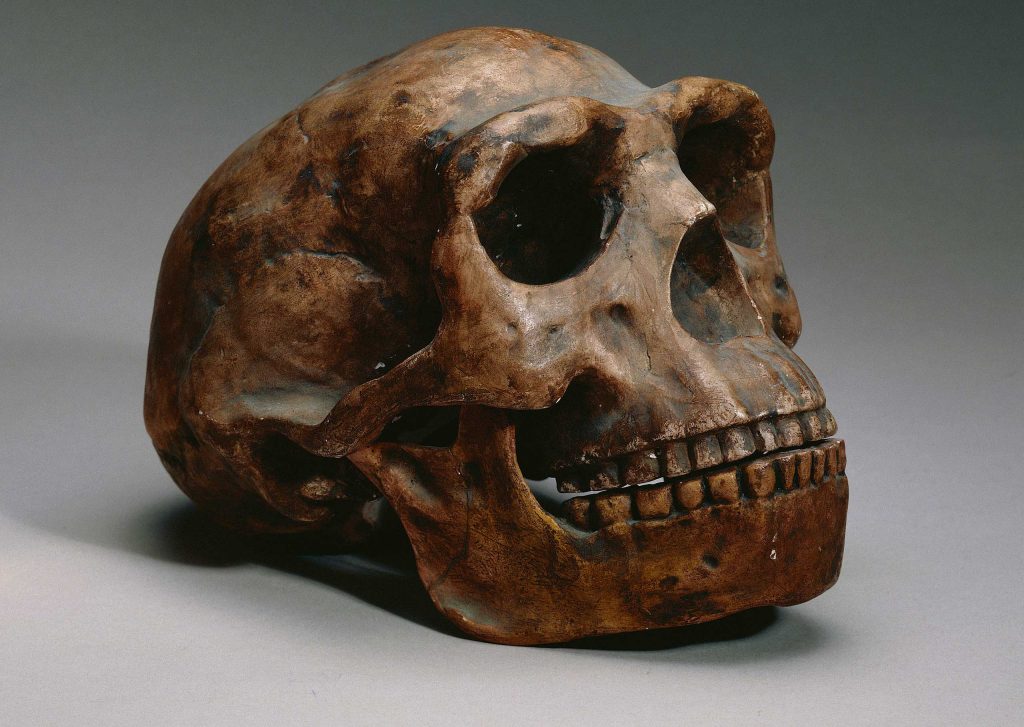
The Peking Man Diorama Exhibition held from 1976 to 1994 presented life in prehistoric Taiwan, but similar exhibiting methods had already been pioneered 12 years prior. In 1964, the American Museum of Natural History in New York City donated a model and a replica of the Peking Man skull to...
1980 — Three Masters from Across the Strait
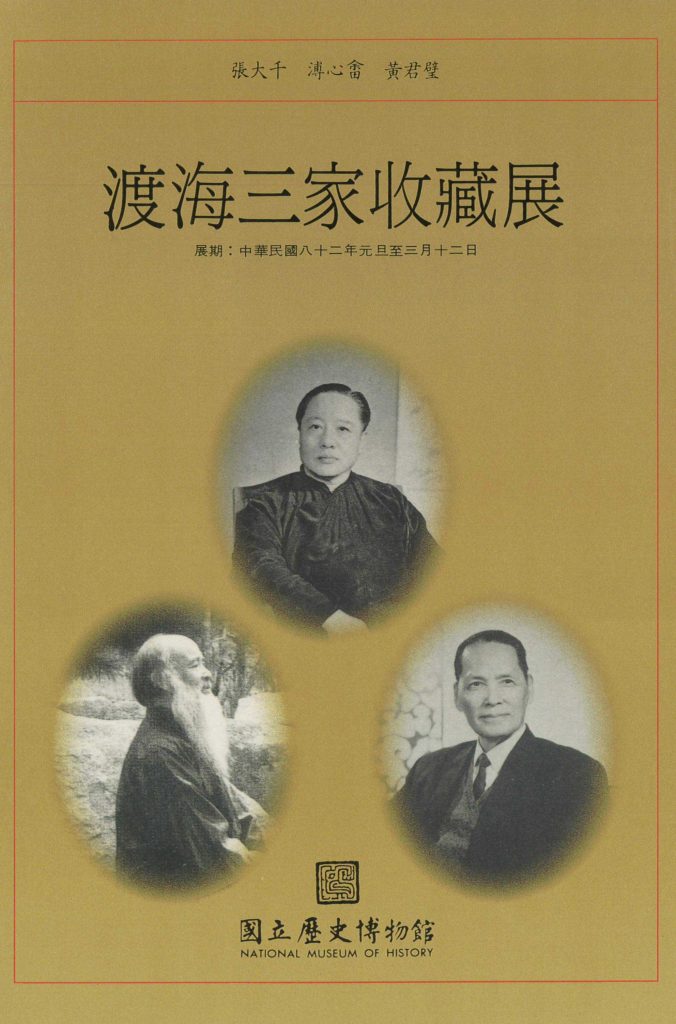
The museum held solo exhibitions for Dai-chien Chang, Hsin-yu Pu, and Chun-pi Huang in 1957, 1959, and 1960 respectively. Its regular interaction with the three artists and substantial acquisitions of their painting and calligraphy set the foundation for research into their work. The 1980 Singapore exhibition “Three Masters from Across...
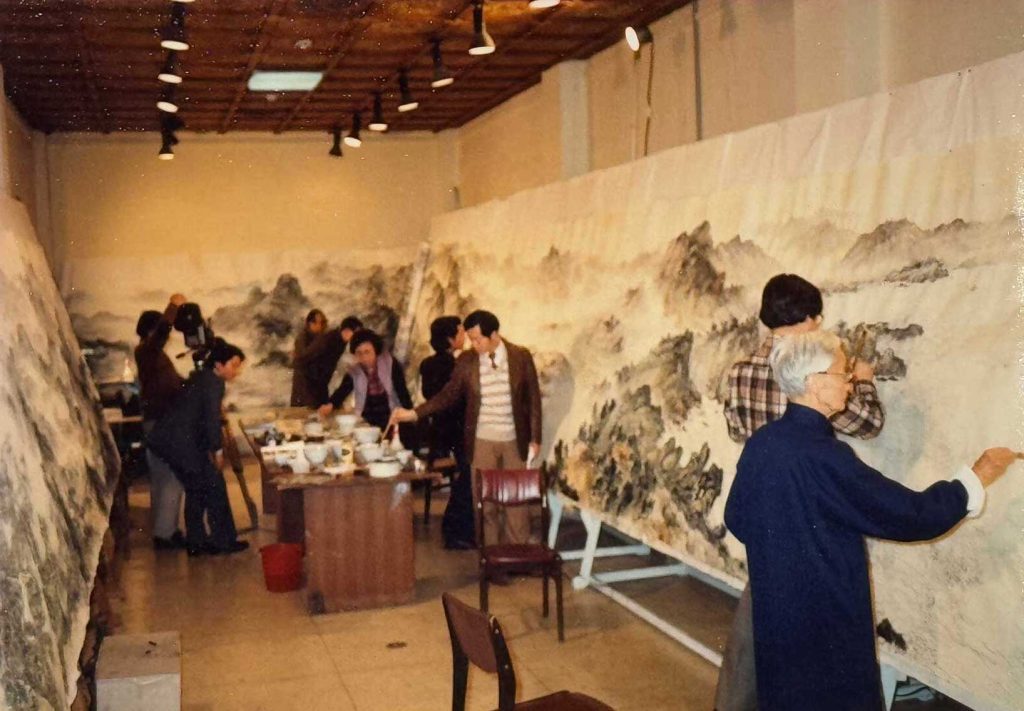
1981 — Massive Scroll Collaboration
To celebrate the 70th anniversary of the founding of the Republic of China, the museum commissioned artists to create the monumental ink-wash landscape painting Formosa Evergreen. The 10 collaborators included venerated artists Chun-pi Huang, Dai-chien Chang, Ku-nien Chang, and Ke-min Hu, as well as the young painters Chi-mao Li, Lo...
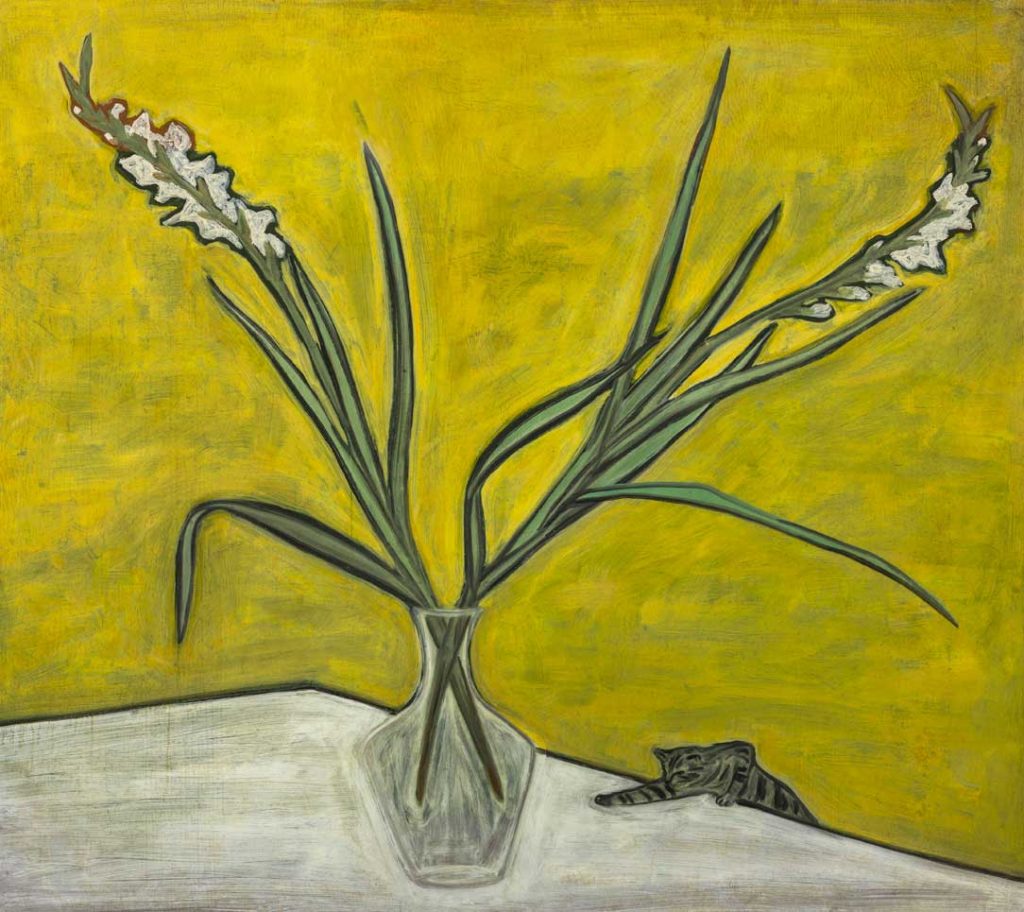
1995 — Sanyu, a Precipitous Star
While studying in France in 1963, the Chinese artist Sanyu was invited by then-Minister of Education Chi-lu Huang to hold an exhibition in Taiwan. After shipping his materials, the artist died suddenly, and he was never able to make it. The works were later transferred to the NMH, becoming a...
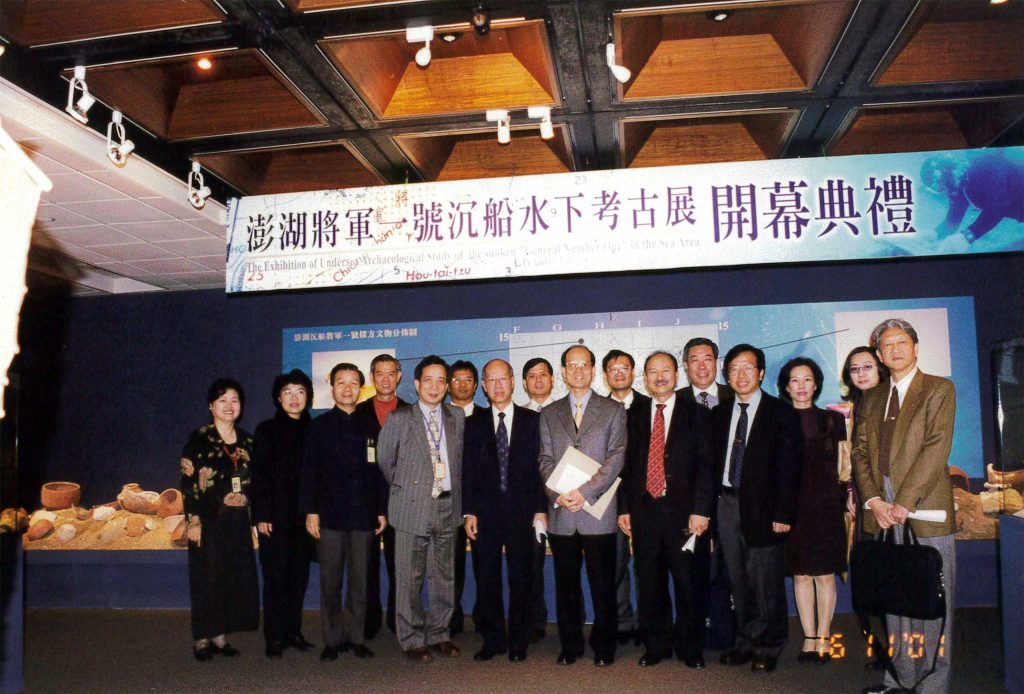
1995 — Relic Rescuer
A long-time curator at the NMH once recalled: “Working at a museum is by no means just about conducting refined research or organizing exhibitions. It also often involves diving into the sea and rushing to disaster zones to rescue artwork.” The literal sea they were referring to was a project...
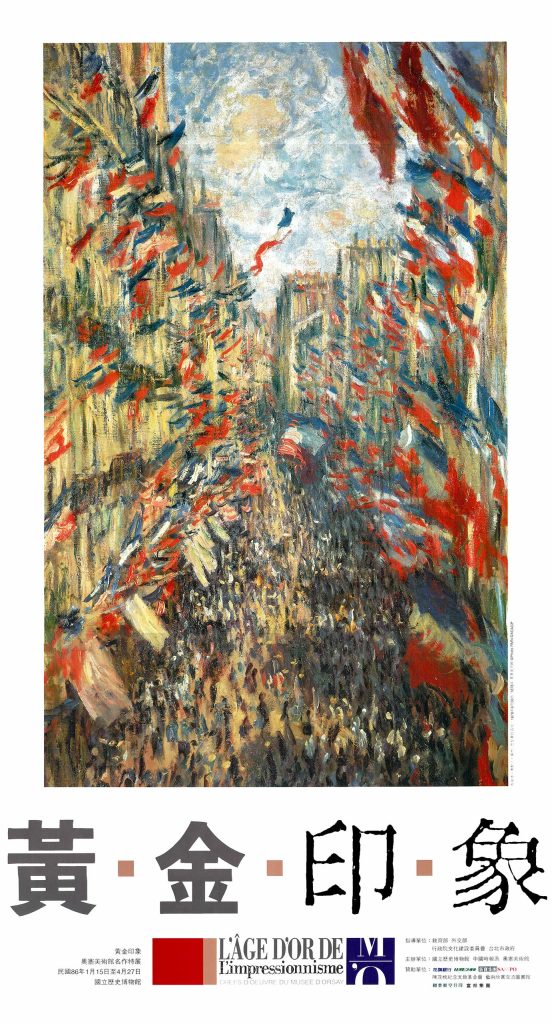
1997 — The Era of Mega Exhibitions
Starting in the 1990s, Taiwan witnessed a wave of “mega” exhibitions, which involved collaborating with museums worldwide to bring internationally renowned artwork to its shores. This made going to exhibitions into a pop culture phenomenon. In 1997, the NMH organized “L’age D’or de L’impressionnisme” of impressionist works from the Musée...
2005 — Research Collaborations
For the study of art and antiquities, the NMH collaborates with other institutions to make use of both sides’ prestige and expand both the depth and breadth of research into its collection. For example, a significant portion of the bronzes in the NMH collection were unearthed from the tomb of...

2011 — From National Treasure to ‘Kuper’
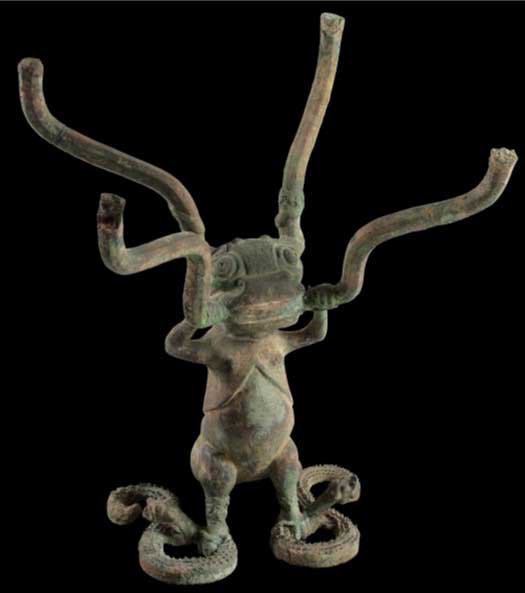
Pursuant to the Outlines for the Classification of Antiquities issued by the Ministry of Education in 1997, the NMH compiled a registry of national treasures and important antiquities in its collection. After a review, the Ministry of Culture between 2011 and 2018 designated six items as “national treasures,” including the...
2018 — Archives and Staging: The NMH Presents Art History
As a showcase of arts and culture, the NMH since its founding has reflected the evolution and trajectory of Taiwan’s artistic development. Its exhibition space is a platform for artists to show their work, facilitating interaction with the public. The archives accumulated by the museum over the years also constitute...
2024 — Embarking on a New Chapter Post-Renovation
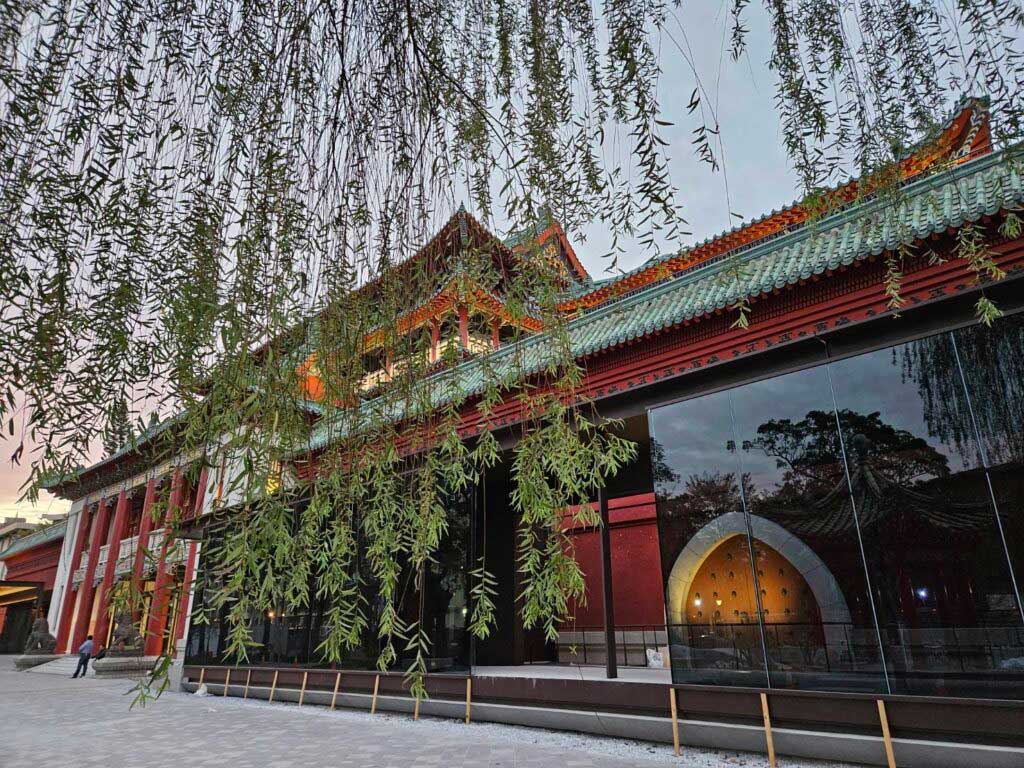
The Executive Yuan approved the NMH renovation plan in May 2015. On July 2, 2018, the museum closed its doors and began moving its collection for a comprehensive renovation—the largest since its establishment. After years of work studying the building and its history, demolition, geological surveys, emergency archeological excavation, designing...
← Scroll timeline left →
Keynote Speech
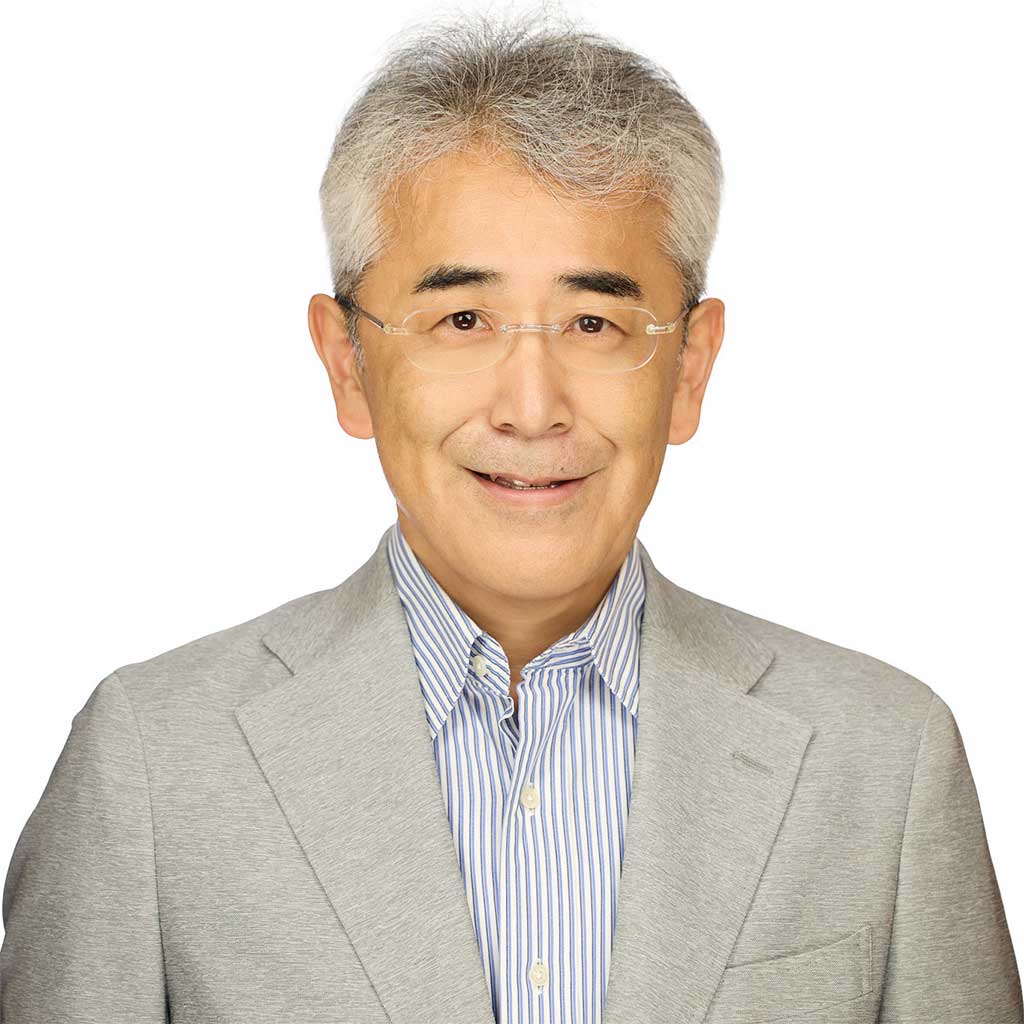
Yujin Yaguchi
Vice President, the University of Tokyo / Professor, Graduate School of Arts and Science, the University of Tokyo
Where is this from? Teaching Provenance in the Age of Global Museums.
Issue 1: The Conservation, Preservation, and Value of Museum Collections

Jen-Yi Lai
Associate Researcher and Head of Collection Division, National Museum of History
The Collections and Historical Imprints of National Museum of History
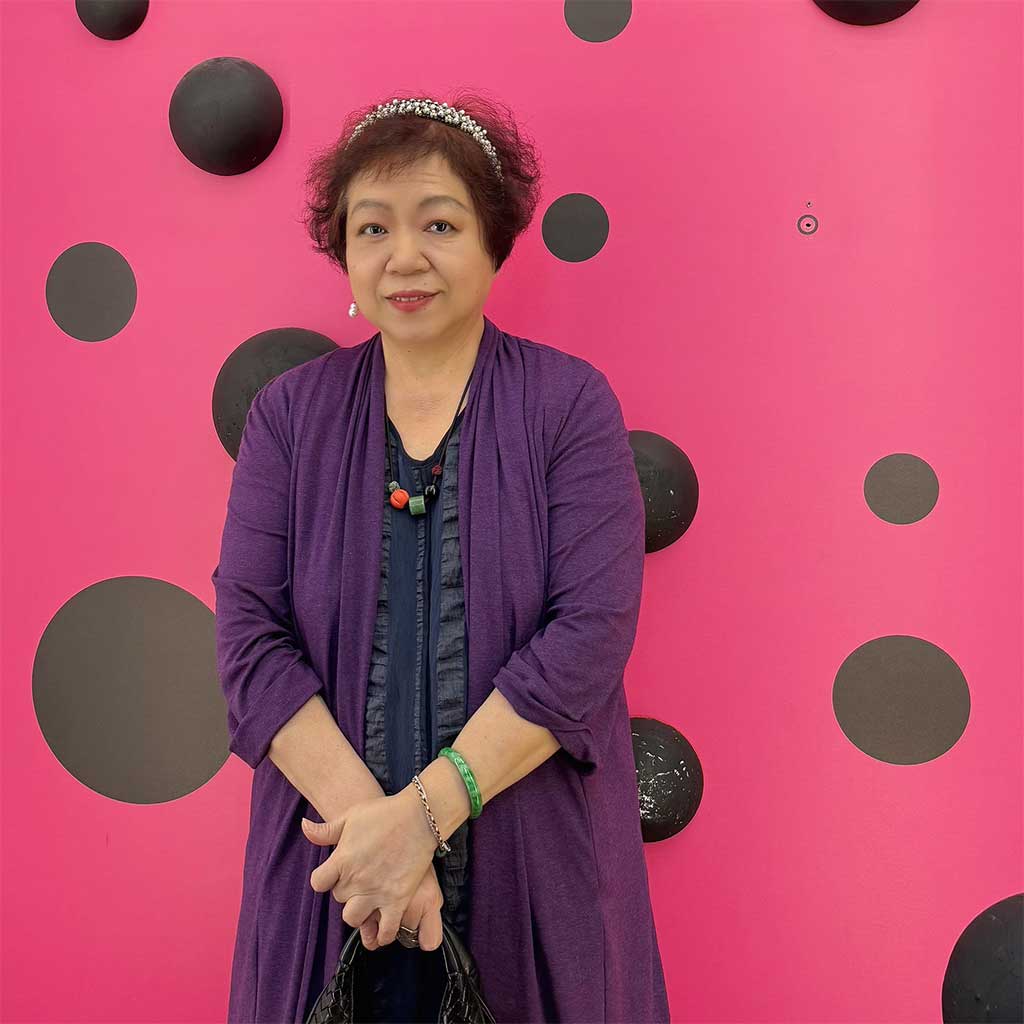
Wei-Ni Wang
Director, Yuyu Museum
From Public Perspectives to Collection – Taking Yang as an Example
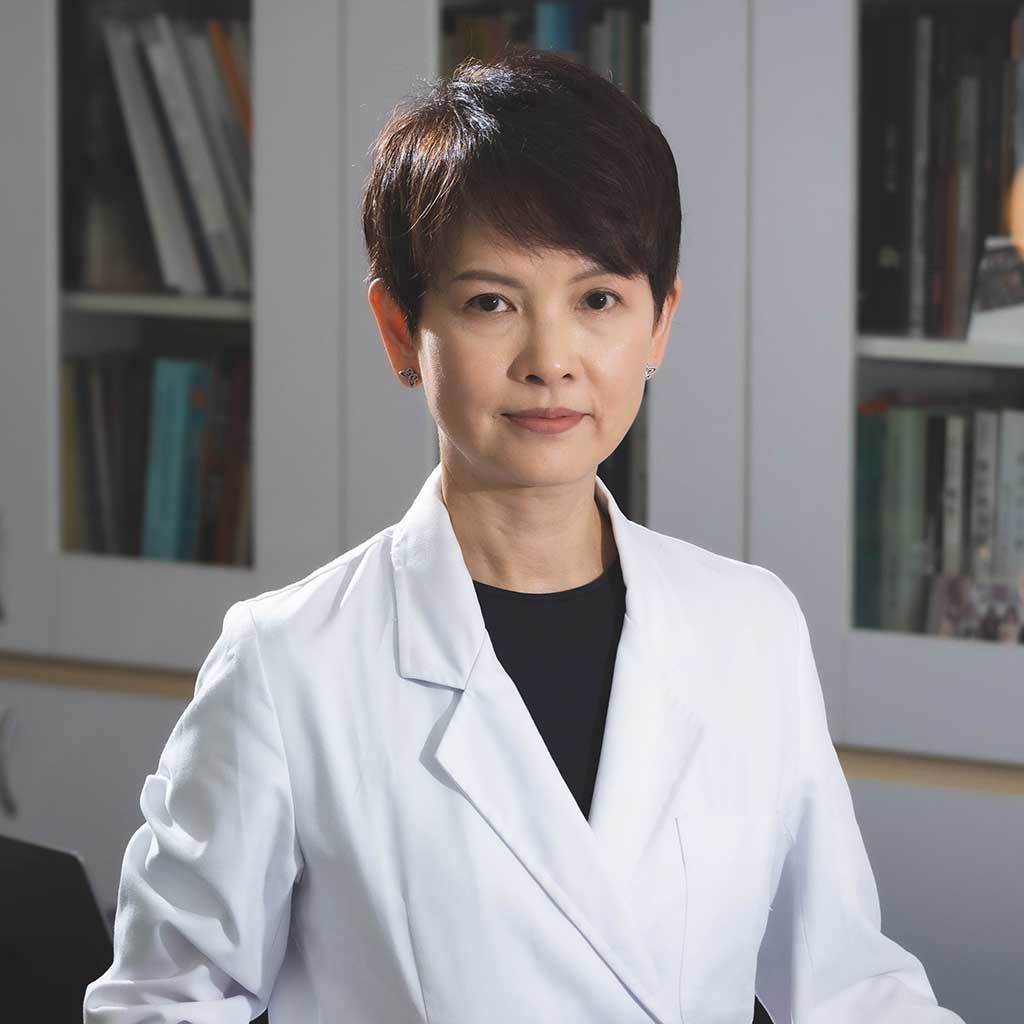
Yuan-Feng Chang
Professor, Department of Fine Arts, National Taiwan Normal University and Head of the Cultural Heritage Conservation Center, National Taiwan Normal University
Ethics and Professional Balance in Preservation and Conservation Strategies
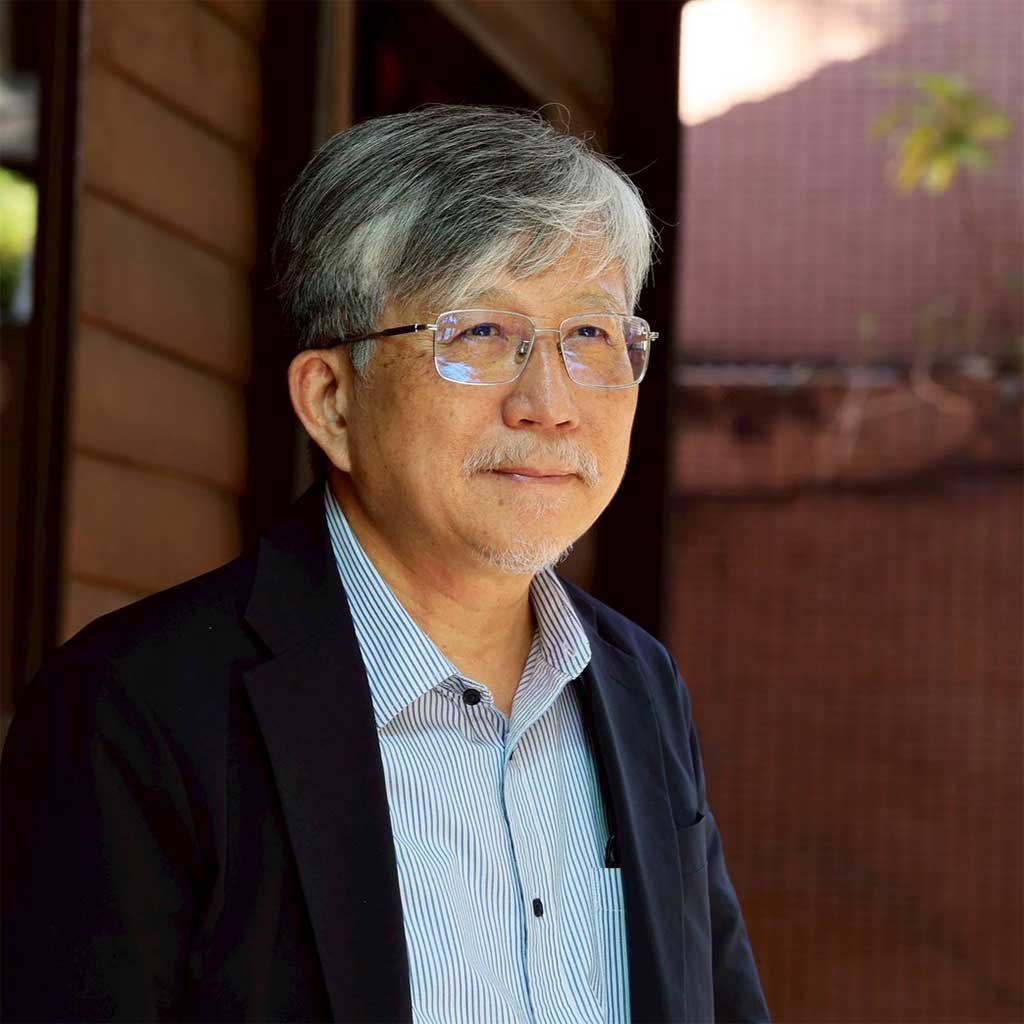
Jen-I Liao
Directors, National Taiwan Museum of Fine Arts and Professor, Graduate Institution of Museum Studies, Taipei National University of the Arts
Collection is the Heart of a Museum
Issue 2: Exhibition Narrative and Interpretation Based on Museum Collections
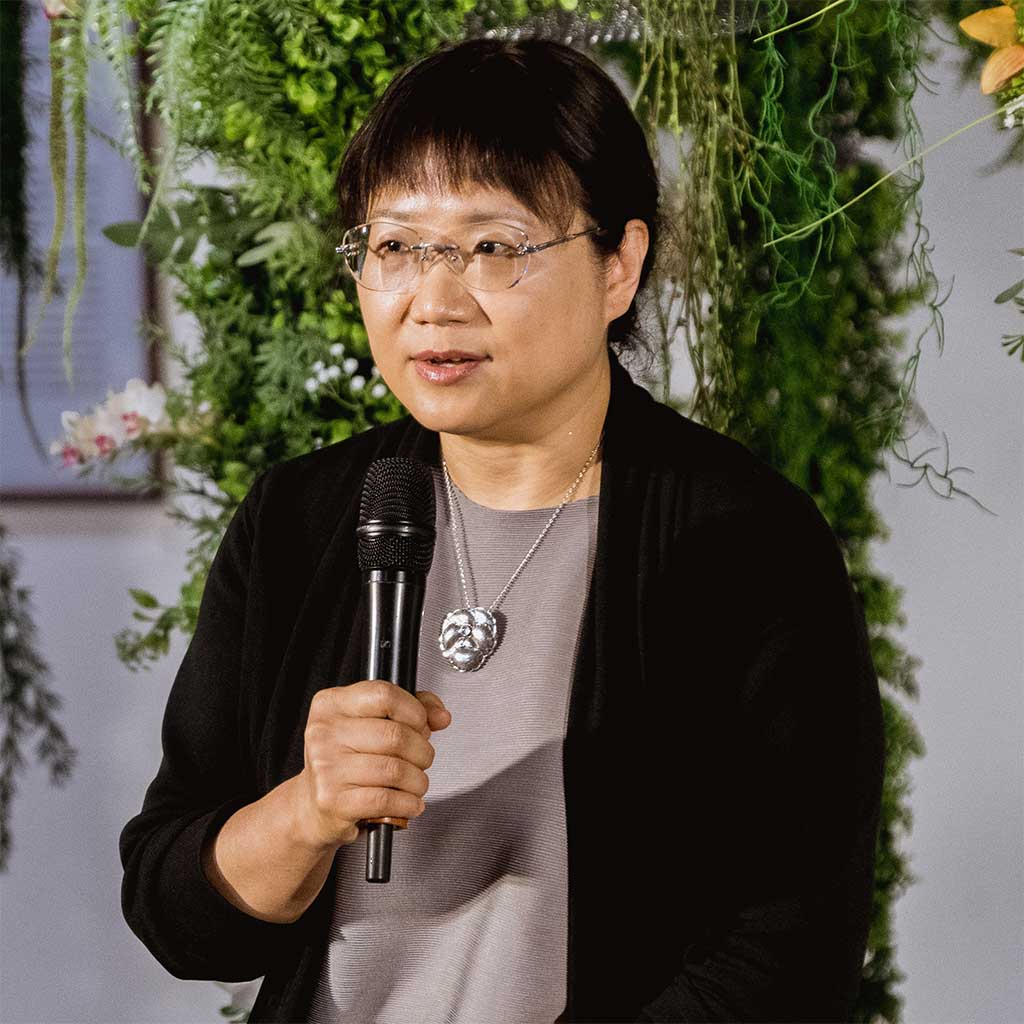
Chen-Hsiao Chai
Associate Researcher and Head of Exhibition Division, National Museum of History
Dialogue & Collaboration: Shifting Exhibition Narratives at National Museum of History
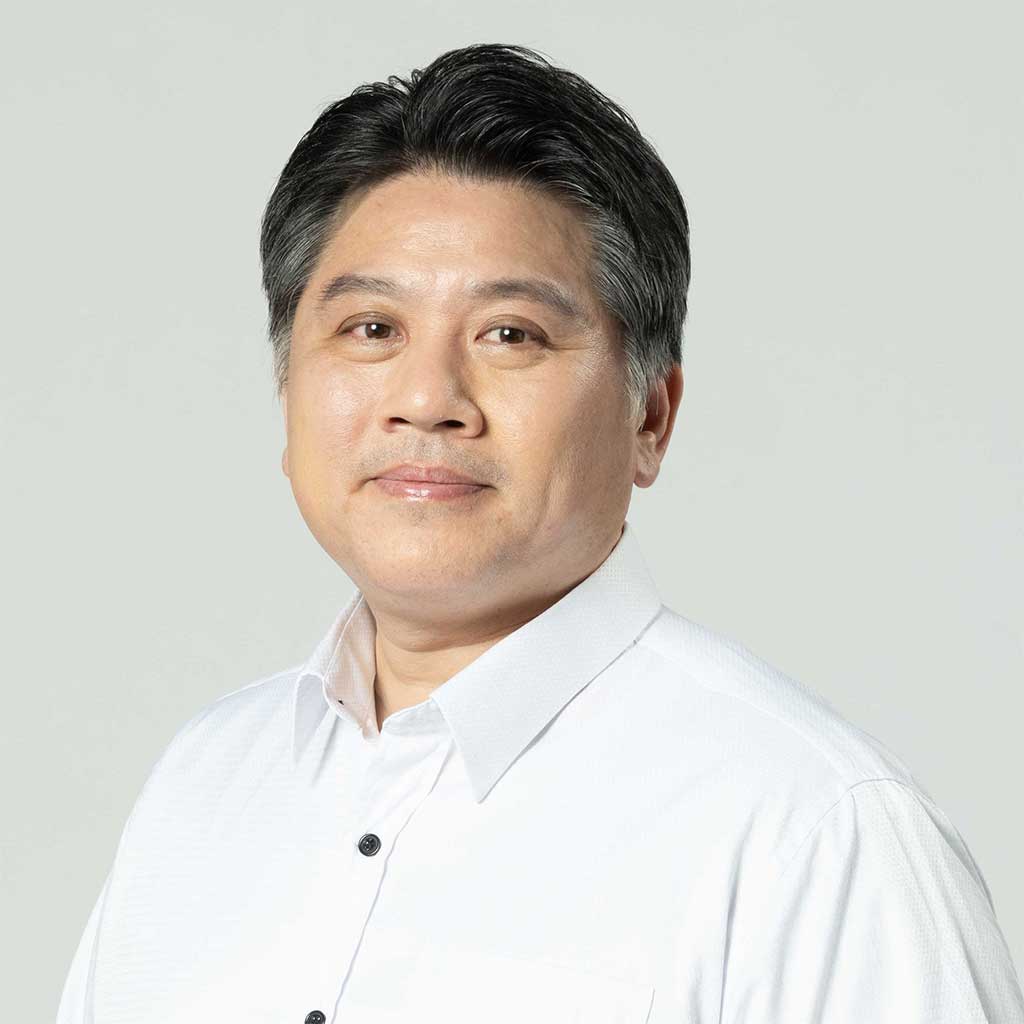
Yan-Chiuan He
Chief Curator, Department of Painting, Calligraphy, and Rare Books and Historical Documents., National Palace Museum
Professional, Public, Global: On the Planning and Transformation of Recent National Palace Museum’s Painting and Calligraphy Exhibitions
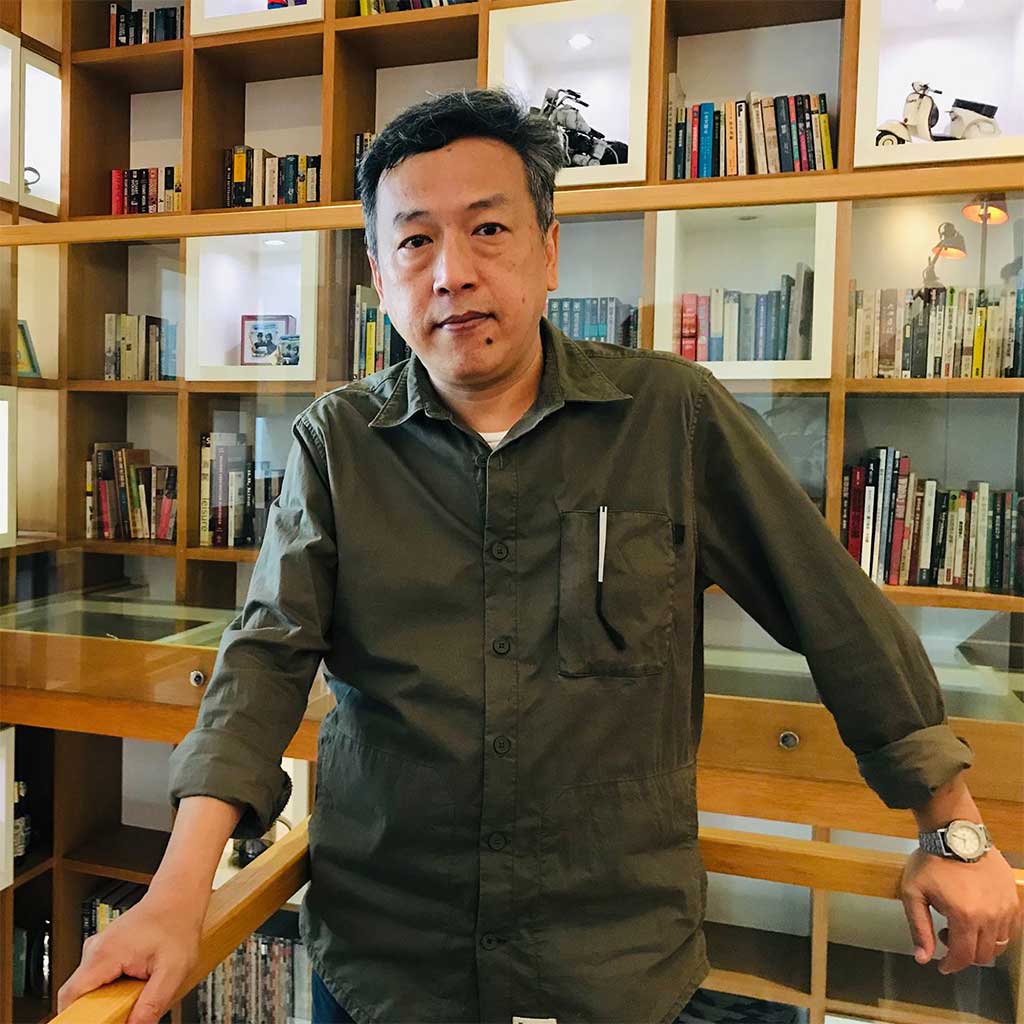
Chao-Ran Wu
Assistant Professor, Department of Fine Arts, Tunghai University
The Role of Museums in Art History Writing
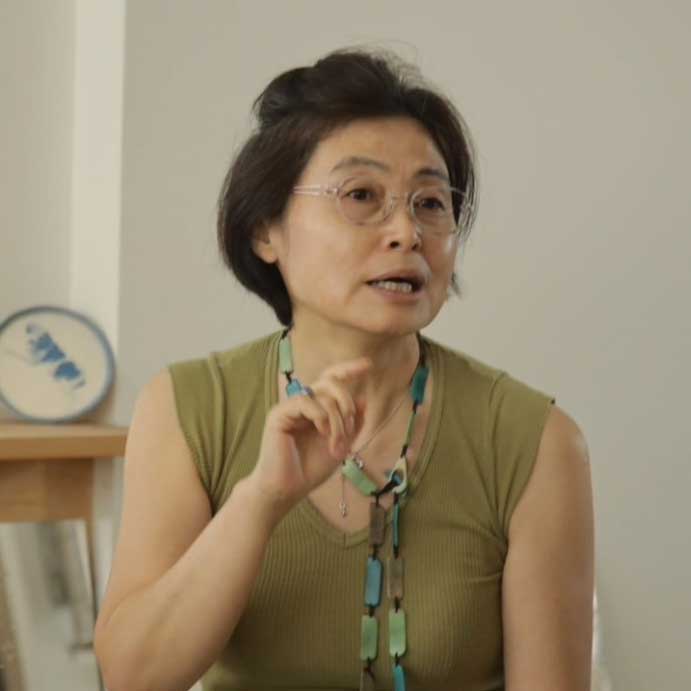
Jung-Hee Moon
Director, Department of Art Creation and Theory, National Tainan University of the Arts
Modernization and Internationalization of Modern Art during the Cold War: National Identity in the Biennale Participation of South Korea and Taiwan